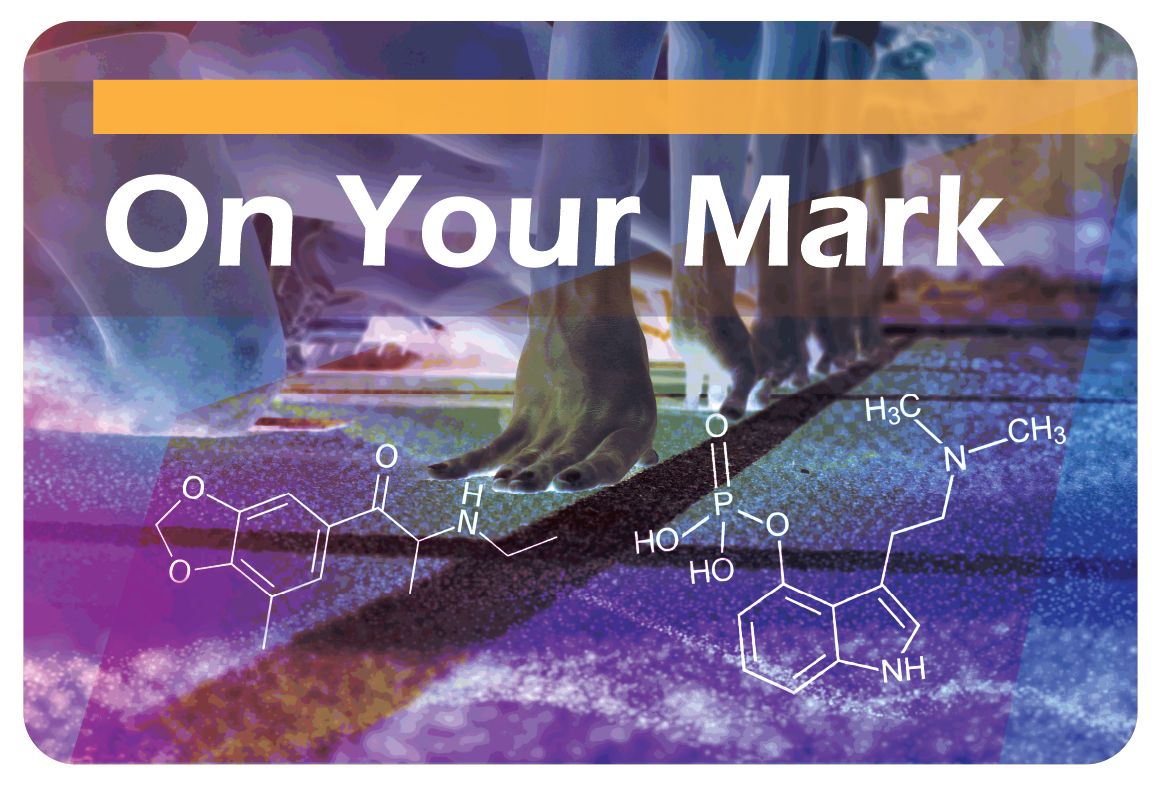
On Your Mark
October 29 – 30, 2026
BioPharmaceutical Technology Center, Fitchburg, WI
The UW–Madison Psychedelic Symposium is a dynamic and transdisciplinary event aimed at expanding awareness, fostering knowledge exchange, and bridging gaps in psychedelic research, education, and policy. The symposium will bring together researchers, graduate students, and key industry stakeholders to share knowledge and facilitate collaboration.
The assignment of National Priority Vouchers earlier this year to psilocybin in the treatment of depression and of methylone for treatment of PTSD adds optimism and confidence that approval by the FDA of such drugs is imminent. The theme of “On Your Mark” for this year’s UW–Madison Psychedelic Symposium is chosen to reflect the race of the two front runners to gain approval of psilocybin in the near future. It is acknowledged that this race may only be the first heat of several “events” – what role will these drugs have in the treatment of afflictions such as substance use disorder, anxiety, and even vision disorders? How should these drugs and therapeutic approaches be integrated into existing mental health programs that are already challenged by inadequate access and resources?
The 2026 Psychedelic Symposium will bring together experts from across the nation and abroad to present on topics such as:
- Microdosing
- Differential pharmacology of psychedelics
- The impact of psychedelics on spirituality and religious practices
- The role of psychotherapy in psychedelic treatment
- Curated adverse event reports from psychedelic programs in Oregon and Colorado
Nationally recognized radio host Steve Paulson will again moderate multiple panel discussions.
The UW–Madison Center for Psychedelic Research and Education would like to thank the Promega Biopharmaceutical Technology Center for hosting and helping support the 6th Annual UW–Madison Psychedelic Symposium.
Symposium Details
Symposium Agenda
| Thursday, October 29, 2026 | |
|---|---|
| 8:15 | Check-in/Continental Breakfast |
| 8:45 | Welcome/Introductions
|
| AM Session – Palliative Care and Access | |
| 9:00 | Nursing Considerations for Implementation of Psychedelics in Palliative Care Speaker: Karen Kehl, PhD, RN, FPCN (Independent Consultant, Washington, D.C.) |
| 9:45 | Healing at the Margins: Access, Equity, and the Future of Palliative and Psychedelic Care Speaker: Candace Oglesby-Adepoju, LCPC (Mental Health Equity Consultant, Jurnee Mental Health Consulting, Baltimore) |
| 10:30 | Psychedelic-Assisted Therapy in Palliative Care: A Path Toward Equitable Access Speaker: Megan Miller, PhD, RN (UW–Madison School of Nursing) |
| 11:00 | Break |
| 11:15 | Panel Discussion – Moderated by: Steve Paulson (Executive Producer, Wisconsin Public Radio, Madison, WI)
|
| 12:00 | Lunch / Professional Networking & Development Event |
| PM Session – Unintended Outcomes / Microdosing | |
| 1:30 | Real-World Use, Safety, and Mental Health Efficacy of Regulated Psilocybin Services in Oregon and Colorado Speaker: Scott Thompson, PhD (Professor, Department of Psychiatry; Director of Novel Therapeutics, Brain & Behavior Innovation Center, University of Colorado School of Medicine) |
| 2:00 | Adverse Interpersonal Experiences During Psychedelic Use Compared to Other Substance Use Speaker: Kari Rockhill, MPH (Assistant Statistical Scientist, Rocky Mountain Drug & Poison Center – Denver, CO) |
| 2:30 | On Your Mark, But Are We Ready? Assessing Risk and Impairment From Psychedelics Heather Barkholtz, PhD (Professor, Pharmaceutical Sciences, UW–Madison School of Pharmacy) |
| 3:00 | The Case for Acute Dosing Studies: A central place in Psychedelic Research Harriet de Wit, PhD (Professor, Department of Psychiatry and Behavioral Neuroscience, University of Chicago) |
| 3:30 | Break |
| 3:45 | Panel Discussion – Moderated by: Steve Paulson (Executive Producer, Wisconsin Public Radio, Madison, WI)
|
| 4:30 | Closing Remarks – Tura Patterson (Senior Director of Strategic Partnerships, Usona Institute, Fitchburg, WI) |
| 4:35 | Reception & Poster Session |
| Friday, October 30, 2026 | |
| 8:00 | Continental Breakfast |
| 8:50 | Welcome/Introductions
|
| AM Session – Research Frontiers and Futures | |
| 9:00 | Yevgenia Kozorovitsky, PhD (Associate Professor of Neurobiology, Northwestern University, Evanston, IL) |
| 9:30 | Peripheral Anti-Inflammatory Effects in Arthritis and Asthma Speaker: Charles Nichols, PhD (Professor, Pharmacology, Biochemistry and Experimental Therapeutics, HSC LSU School of Medicine, New Orleans, LA) |
| 10:00 | Psilocybin Post-Approval: Gaps in Clinical Practice and Open Questions Speaker: Sandeep Nayak, MD (Assistant Professor, Medical Director, Center for Psychedelic & Consciousness Research, Johns Hopkins, Baltimore, MD) |
| 10:30 | Break |
| 10:45 | Public Perceptions of Psychedelics for Medical and Therapeutic Use in the U.S. Bev Fergus, MS |
| 11:15 | Measuring Psychedelic-Induced Plasticity in Humans Speaker: Michael Sutherland, PhD Student, Neuroscience Training Program, UW-Madison School of Medicine & Public Health |
| 11:45 | Panel Discussion – Moderated by: Steve Paulson (Executive Producer, Wisconsin Public Radio, Madison, WI)
|
| 12:30 | Lunch and Poster Session |
| PM Session – Psychedelic Spirituality and Practice | |
| 1:45 | You Can Take Psychedelics Out of Spirituality, But You Can’t Take Spirituality Out of Psychedelic Speaker: Jay Michaelson, PhD, JD (Field Scholar, Emory Center for Psychedelics and Spirituality, Emory University) |
| 2:15 | Medicine or Sacrament?: Healing, Spiritual Care, and Community in Psychedelic Churches Speaker: Jeffrey Breau, MDiv (Field Scholar, Emory Center for Psychedelics and Spirituality, Emory University) |
| 2:45 | Chasing the Role of Consciousness in the Therapeutic Benefits of Psilocybin Speaker: Charles Raison, MD (UW–Madison) |
| 3:15 | On Your Mark… for What? The Case for Considering Psychedelics as Psychotherapeutic Tools Speaker: Max Wolff, PhD (Psychological Psychotherapist, Specialized Outpatient Clinic for Anxiety Disorders, Institute of Psychology, Humboldt University of Berlin) |
| 4:00 | Break |
| 4:15 | Panel Discussion – Moderated by: Steve Paulson (Executive Producer, Wisconsin Public Radio, Madison, WI)
|
| 5:00 | Closing Remarks – Cody Wenthur, PhD |
| 5:05 | Poster Session |
- Heather Barkholtz, PhD
Assistant Professor, Pharmaceutical Sciences
UW–Madison School of Pharmacy - Jeffrey Breau, MDiv
Harvard Divinity School - Harriet de Wit, PhD
Professor of Psychiatry and Behavioral Neuroscience
University of Chicago - Karen A. Kehl, PhD, RN, FPCN
Alumna, UW–Madison - Yevgenia Kozorovitsky, PhD
Associate Professor of Neurobiology
Northwestern University - Jay Michaelson, PhD, JD
Emory Center for Psychedelics & Spirituality
Harvard Law School - Megan Miller, PhD
Assistant Professor
UW–Madison School of Nursing - Sandeep Nayak, MD
Assistant Professor
Medical Director, Center for Psychedelic & Consciousness Research
- Charles Nichols, PhD
Professor of Pharmacology
LSU New Orleans - Candace Oglesby-Adepoju, LCPC, MA
Jurnee Mental Health Consulting, LLC - Charles Raison, MD
Professor of Psychiatry and Human Ecology
UW–Madison Department of Psychiatry - Kari Rockhill, PhD
Assistant Statistical Research Scientist
Rocky Mountain Poison & Drug Safety - Dr. Ann Sheehy, MD, MS
HRSA Principal Deputy Administrator and Chief Medical Officer
US Department of Health and Human Services - Scott Thompson, PhD
Professor, Psychiatry-Psychopharmacology, University of Colorado
University of Colorado - Max Wolff, PhD
Psychologist, Psychotherapist, Clinician-Scientist
Humboldt-Universität zu Berlin
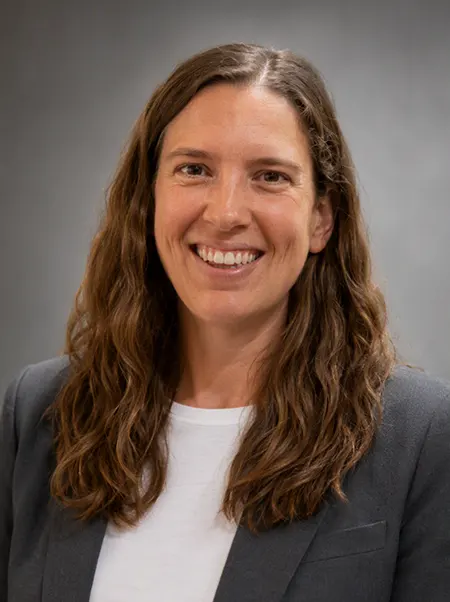 Heather Barkholtz
Assistant Professor, UW–Madison School of Pharmacy
Heather Barkholtz, PhD, is an Assistant Professor at the University of Wisconsin-Madison, holding a joint appointment with both the School of Pharmacy and the Wisconsin State Laboratory of Hygiene. Her research examines the intersection of psychoactive substances, impairment, and public safety with a focus on detecting emerging drugs and understanding their risks in clinical and real-world settings.
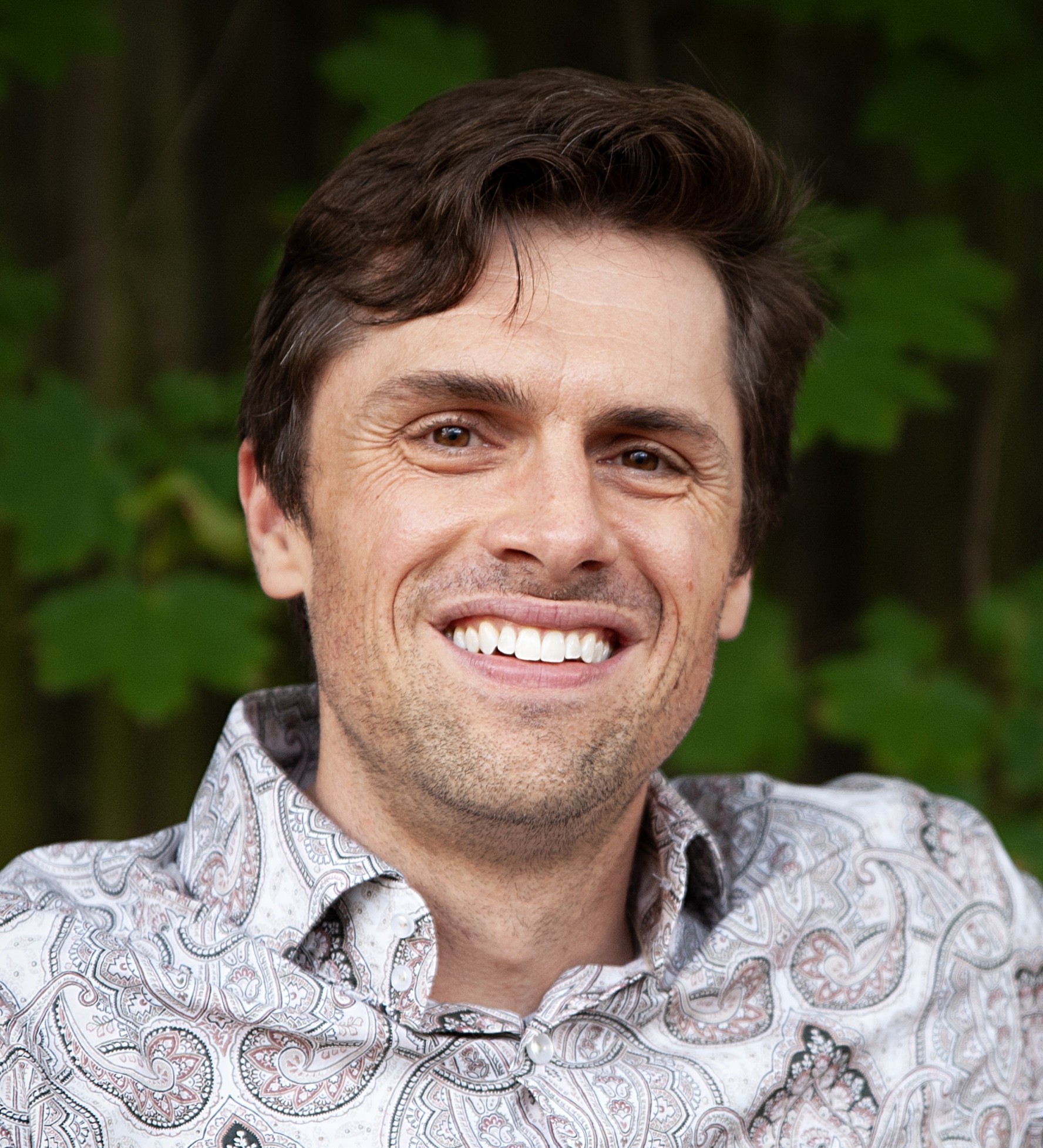 Jeffrey Breau
Emory University – Center for Psychedelics and Spirituality
Jeffrey Breau is a Field Scholar with the Emory Center for Psychedelics and Spirituality, where his research focuses on psychedelic chaplaincy and the modern psychedelic church movement. He recently conducted a three-year, multisite ethnography of novel psychedelic churches in the United States. Jeffrey is an Affiliated Researcher for the Psychedelic Use, Law, and Spiritual Experience initiative at the Petrie-Flom Center at Harvard Law School, and he previously led Harvard Divinity School’s Psychedelics and Spirituality initiative. His publications span topics including a new approach to ketamine chaplaincy, the role of ritual and community in psychedelic churches, the historical foundations of the MEQ, and a landscape analysis of U.S. psychedelic facilitation training.
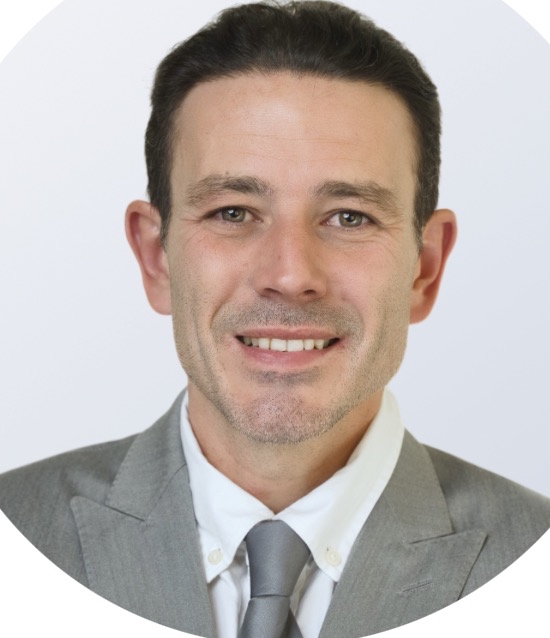 Al Bugazia
Deputy Director, ARPA-H, UW–Madison,
Dr. Al Bugazia is an internal medicine and critical care–trained physician with more than a decade of experience as an intensivist, educator, and adjunct associate professor at the University of Wisconsin School of Medicine. His work has expanded from crisis-based care to a broader focus on precision health, healthy aging, and chronic disease prevention. He is currently completing a master’s degree in Psychoactive Pharmaceutical Investigation at the University of Wisconsin–Madison, with a focus on emerging therapeutics, neuroscience, brain health, and next-generation approaches to mental health treatment. Dr. Bugazia joined ARPA-H as Deputy Director of the Proactive Health Office and is inspired by the mission , particularly its emphasis on prevention, early detection, and innovative, scalable approaches to improving health across populations and throughout the lifespan.
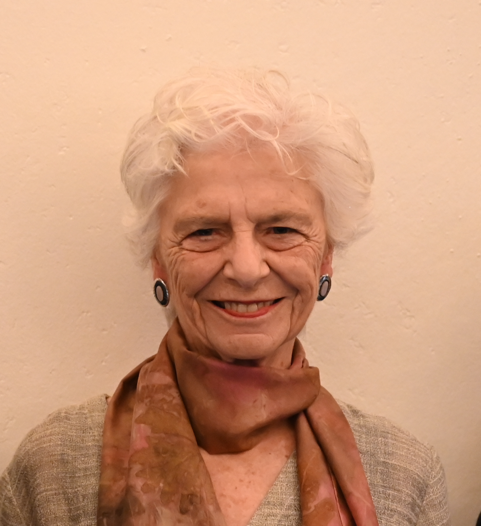 Harriet de Wit
Professor, University of Chicago
Harriet de Wit, PhD, is a Professor in the Department of Psychiatry and Behavioral Neuroscience at the University of Chicago. She conducts research on the behavioral and neurobiological effects psychoactive drugs, including psychedelic drugs, in healthy
human volunteers. Her studies aim to understand why people use drugs, and how drugs affect mood and behavior. Her research has been funded by the National Institutes of Health for the past 40 years, and she has published over 400 papers. She has trained numerous graduate students, post-doctoral fellows and undergraduates, and serves on editorial boards of several scientific journals.
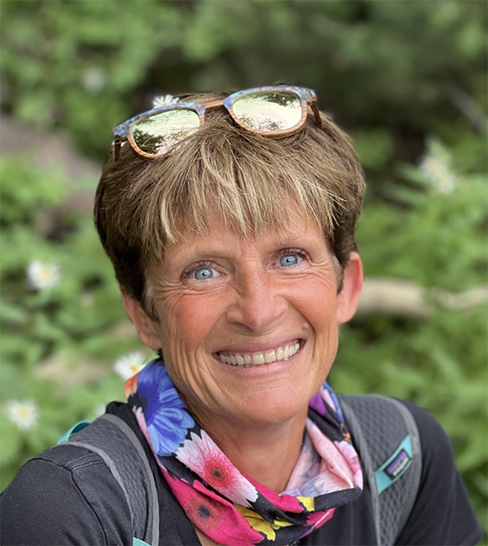 Beverly Fergus
Alumna, UW–Madison
Beverly Fergus is a graduate of the University of Wisconsin–Madison School of Pharmacy, where she earned a Master of Science in Psychoactive Pharmaceutical Investigation. Her independent study focused on national public perceptions of psychedelic medicine, producing the first large-scale, mixed-methods national survey of U.S. general adult attitudes toward psychedelic therapy across ten demographic and experiential subgroups. A passionate advocate for psychedelic medicines as treatments for PTSD, depression, and other mental health conditions, Beverly has delivered talks on the importance of psychedelics for mental health care. Her passion intersects public health, policy, and education — focused on the practical question of how psychedelic medicine moves from clinical promise to mainstream acceptance.
 Sarah Norman
Executive Director, BrainFutures
Sarah Norman, is the Executive Director of BrainFutures. She brings more than two decades of strategic operations, policy and leadership experience in the healthcare field. At Sheppard Pratt, she led strategy and operations as the inaugural chief for the community development service line, increasing annual service line revenue from $15 million to $30 million in five years, and securing $20 million in competitive grants and contracts from foundations and state and federal agencies. Her public sector experience includes leadership roles at the Centers for Medicare and Medicaid Services where she served as senior advisor on implementation of the Affordable Care Act and the Mental Health Parity Law, and directed a $250 million state grant program to strengthen oversight of insurance rates and enhance pricing transparency for health and behavioral health services. As a senior advisor in the U.S. Congress, she provided health and behavioral health policy advice. Sarah led national initiatives at NeighborWorks America to improve health outcomes through social determinants of health strategies; led efforts to address lead poisoning, asthma and safe housing as Bureau Chief in the Baltimore City Health Department; and served as legislative director in the MA Legislature. She holds a Master’s degree in public policy from Harvard’s Kennedy School of Government and lives in Baltimore.
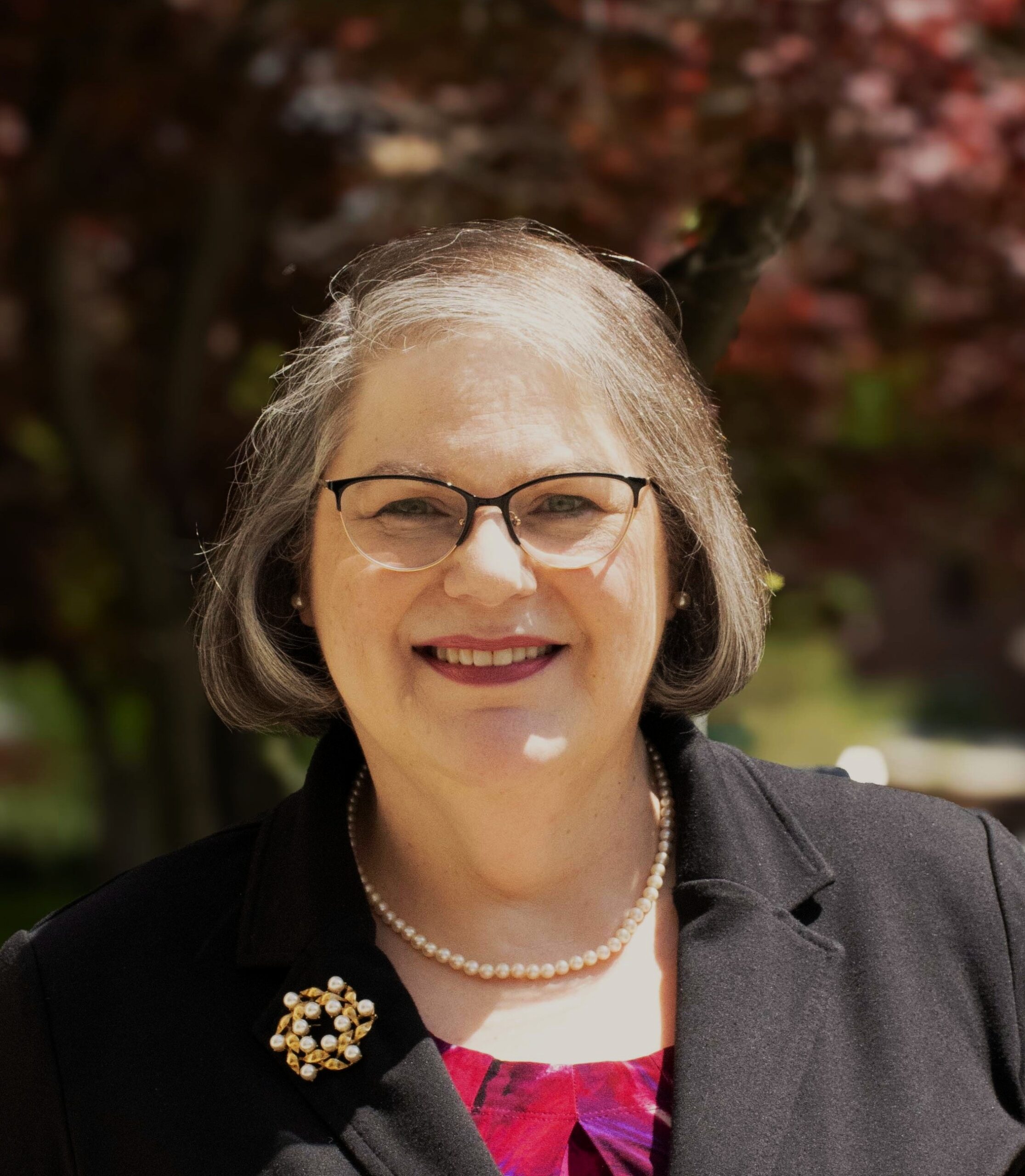 Karen Kehl
Alumna, UW–Madison
Karen A. Kehl is the Chief of the Systems and Models of Care Branch at the National Institute of Nursing Research (NINR), National Institutes of Health (NIH) where she previously served as a Health Scientist Administrator for End-of-Life and Palliative Care Research. Dr. Kehl’s expertise spans palliative and end-of-life care, family caregiving, advance care planning, symptom management, health services research, and nursing science. Her research has focused on preparing patients and families for serious illness and death, improving hospice and palliative care delivery, and advancing evidence-based models of care.
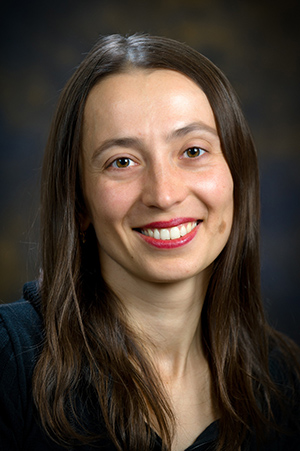 Yevgenia Kozorovitskiy
Alumna, UW–Madison
Yevgenia Kozorovitskiy, PhD, is the Irving M. Klotz Professor of Neurobiology in the Weinberg College of Arts and Sciences at Northwestern University. She received her BA and PhD in Neuroscience & Psychology from Princeton University and completed a postdoctoral fellowship at Harvard Medical School as a Junior Fellow of the Harvard Society of Fellows. Her honors include the Sloan Research Fellowship, Beckman Young Investigator Award, Rita Allen Scholar, Searle Scholar, NSF CAREER, and OneMind Rising Star Awards. The Kozorovitskiy laboratory is broadly focused on mechanisms of neuroplasticity and neuromodulation, in the context of mental health and neurodevelopment. The laboratory synergizes biological discovery with optical, optoelectronic, and molecular methods development. Kozorovitskiy serves on the Executive Council for the Beckman Young Investigator Program and is a Working Group lead on Structural Plasticity in the ADAPT Initiative, Aligning Discoveries Across Psychedelic Therapies.
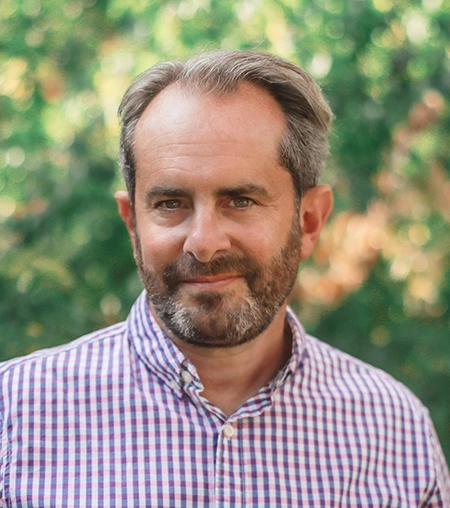 Jay Michaelson
Field Scholar, Emory Center for Psychedelics and Spirituality
Visiting Researcher, Harvard Law School
Rabbi Dr. Jay Michaelson is a field scholar at the Emory Center for Psychedelics and Spirituality and a visiting researcher at Harvard Law School. He holds a PhD in Jewish Thought from Hebrew University, a JD from Yale Law School, and nondenominational rabbinic ordination. For twenty years, Dr. Michaelson’s scholarly work has focused on mysticism, law, sexuality, and religion, and, for the last several years, on psychedelics. At Emory, Dr. Michaelson co-directs the MOSAIC project researching psychedelics and religious communities. Outside the academy, Dr. Michaelson also works as a journalist, writer, and meditation teacher. He lives outside New York City.
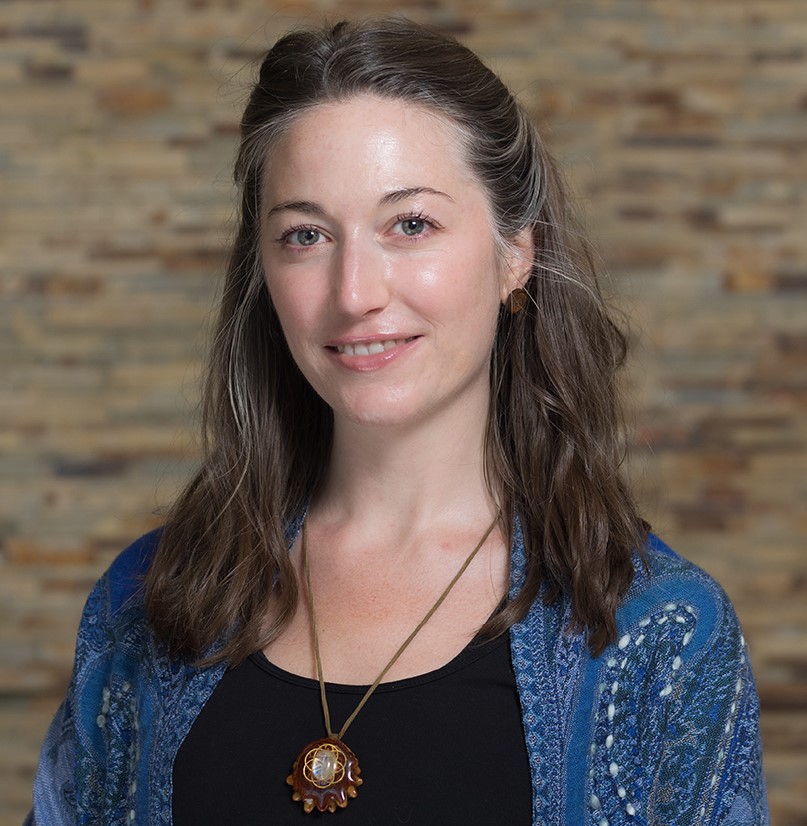 Megan Miller
Assistant Professor, UW–Madison School of Nursing
Dr. Megan Miller’s research focuses on spirituality, symptom science, and equity in serious illness care. Drawing on a background in palliative and end-of-life nursing, she uses qualitative, quantitative, and mixed methods approaches to explore spiritual well-being, existential distress, and holistic supportive care interventions among adults with cancer. Dr. Miller was the Principal Investigator of the “PATH” study (Perceptions and Attitudes related to Psilocybin-Assisted Therapy), which qualitatively explored perspectives on psilocybin-assisted therapy among a subset of people with cancer who have been underrepresented in research. Her scholarship examines psychedelic-assisted therapy in palliative care, participant diversity in psychedelic trials, and community-engaged approaches to making psychedelic therapies more equitable and accessible.
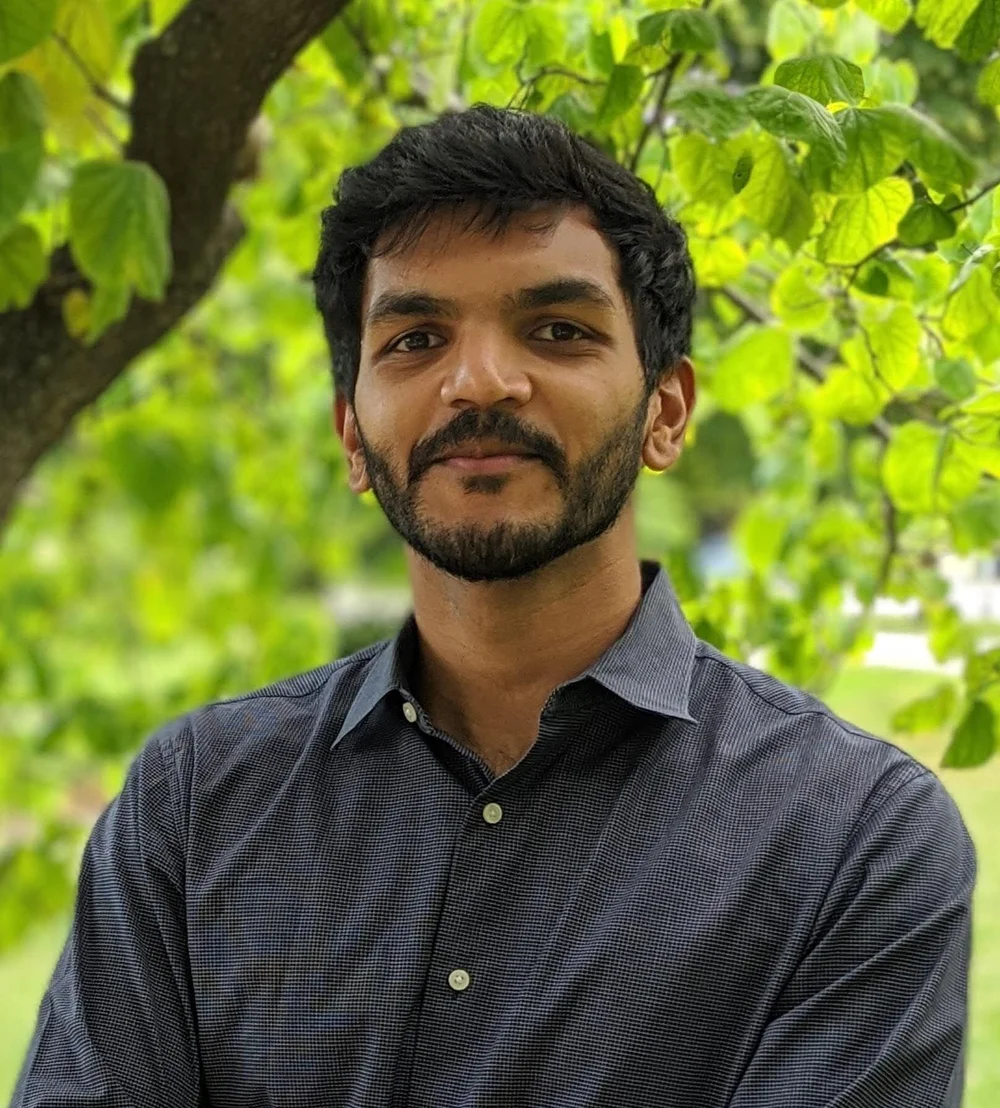 Sandeep Nayak
Assistant Professor, Johns Hopkins
Sandeep M. Nayak, MD, is an Assistant Professor of Psychiatry at Johns Hopkins University School of Medicine and Medical Director of the Center for Psychedelic & Consciousness Research. His research focuses on the clinical applications and methodological challenges of psychedelic medicine, particularly for addictions and mood disorders. He currently serves as Principal Investigator on trials investigating psilocybin for opioid use disorder, PTSD, and microdosing, and LSD for depression, and has personally conducted dozens of high-dose psilocybin sessions and overseen hundreds more. He earned his MD from Brown University, completed psychiatry residency at Johns Hopkins Hospital, and finished a postdoctoral fellowship with Roland Griffiths. He also practices psychiatry at Johns Hopkins Bayview Medical Center.
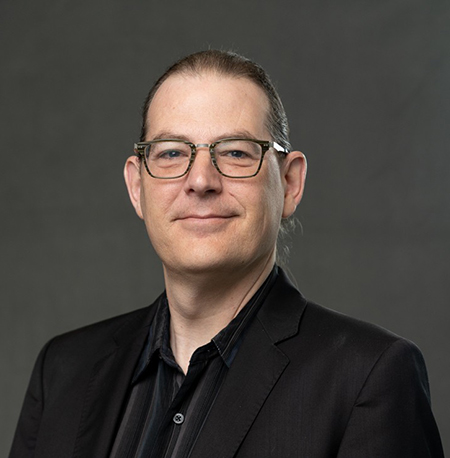 Charles Nichols
Professor, LSU Health Sciences Center
Dr. Nichols, Professor of Pharmacology at LSU Health Sciences Center in New Orleans, is considered one of the world’s top experts on the biological effects of psychedelics in the brain and body. Key discoveries he and his laboratory have made include elucidation of the effects of psychedelics on gene expression in the brain, identification, and characterization of the specific cells in the brain that directly respond to psychedelics, and the development of new experimental systems recapitulating the long-lasting antidepressant-like effects of psilocybin for mechanistic study. The Nichols lab also discovered that psychedelics are extremely potent anti-inflammatory agents that can have full efficacy at levels far below those necessary to induce behavioral effects and is developing potential new therapies to treat inflammatory-related disorders. He is President of the International Society for Research on Psychedelics, Co-Editor in Chief of the journal Psychedelic Medicine, Vice President of the International Society for Serotonin Research, a board member of the Heffter Research Institute, and Co-founder of 2A Biosciences.
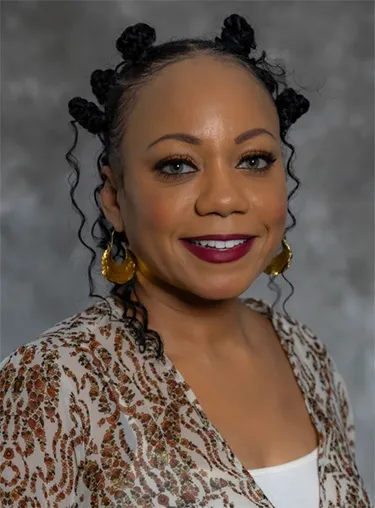
Candace Oglesby-Adepoju, LCPC, MA
Founder and Owner, Jurnee Mental Health Consulting, LLC
Candace Oglesby-Adepoju is a licensed clinical professional counselor, board-approved supervisor, and one of the most distinctive voices at the intersection of psychedelic medicine, mental health equity, and liberation-centered practice. Candace entered the field of psychedelic-assisted therapy in 2020 as a clinical trial therapist, sitting with patients navigating cancer and treatment-resistant depression in one of the most consequential research frontiers of our time. In the years since, she has expanded her clinical training to include ketamine, MDMA, and 5-MeO-DMT-assisted therapies. She is the founder and owner of Jurnee Mental Health Consulting, LLC, a mental health equity consulting firm dedicated to deepening the field’s understanding of equity while centering access and resources for global majority communities. In this role and beyond, Candace operates as a consultant, educator, researcher, trainer, speaker, and mentor — working at the crossroads of clinical excellence and structural accountability. What sets Candace apart is not only what she knows, but what she insists upon: that cutting-edge therapies and transformative healing modalities belong to everyone — not as an aspiration, but as a mandate. Her work challenges the psychedelic field to reckon with who has historically been excluded from its promises, and to build something more just in its place. Candace is based in Maryland, where she lives with her husband, dog, and the community that grounds her.
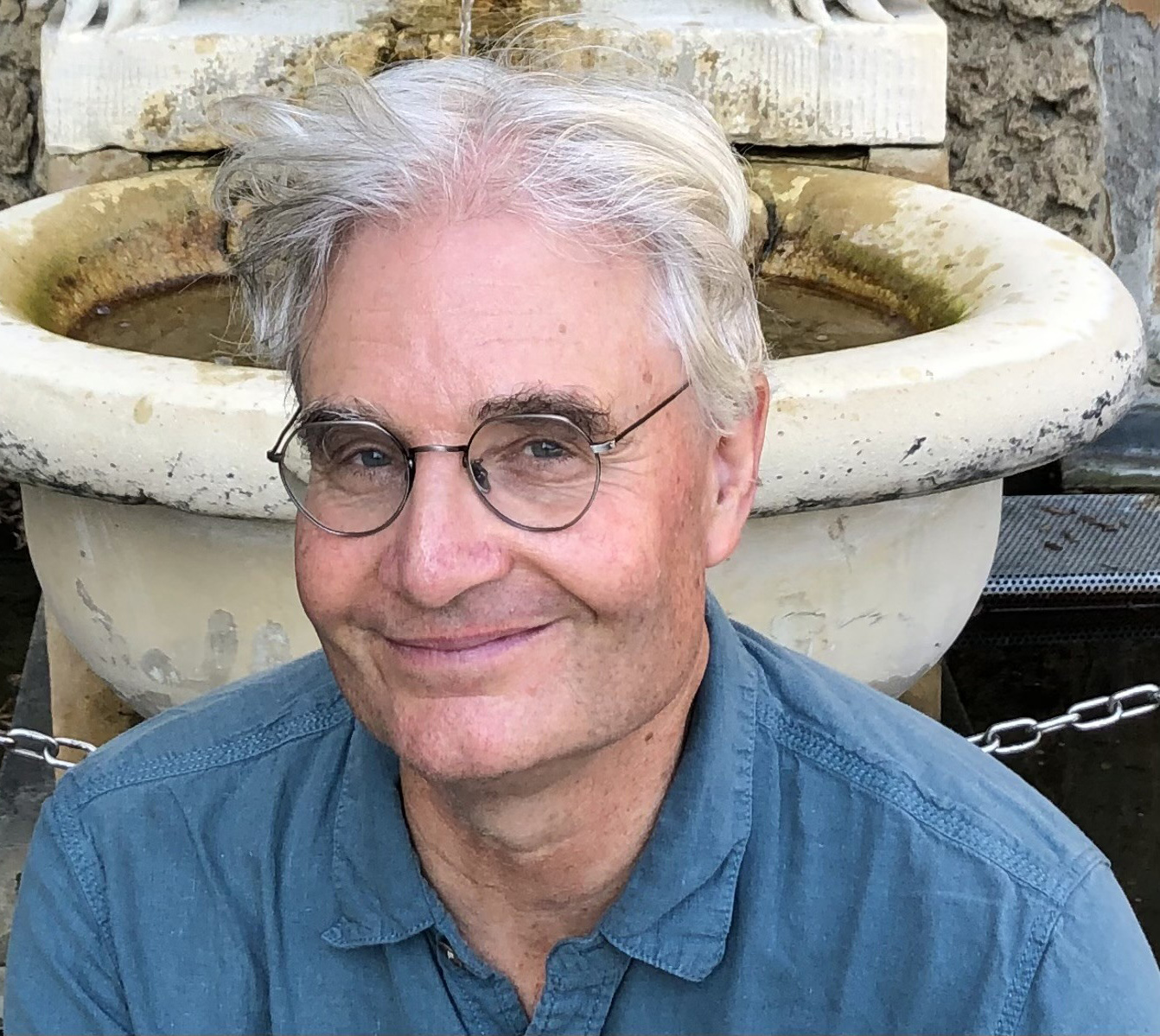 Steve Paulson
Journalist
Steve Paulson is a Peabody Award-winning journalist based in Madison, WI. He was the co-founder and executive producer of the public radio show To The Best Of Our Knowledge. He’s now the host of Luminous, a podcast about the science, philosophy and culture of psychedelics, and also the co-host of Wonder Cabinet, a podcast about science, nature and re-enchanting the world. His radio stories have been broadcast on NPR, and he’s written for Nautilus, Salon, Slate and the Los Angeles Review of Books. His book, Atoms and Eden: Conversations on Religion and Science, was published by Oxford University Press.
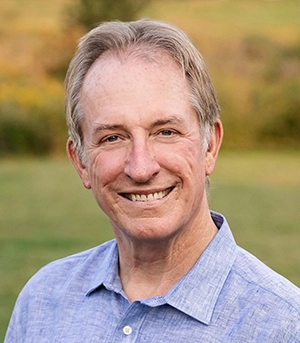 Charles L. Raison, MD
Professor, UW-Madison School of Medicine and Public Health
Charles Raison is a Professor of Human Ecology and Psychiatry in the Department of Psychiatry, School of Medicine and Public Health, at UW-Madison. Dr. Raison also serves as Director of Clinical and Translational Research for Usona Institute, as Director of the Vail Health Behavioral Health Innovation Center, and as Director of Research on Spiritual Health for Emory. His research focuses on the examination of novel mechanisms involved in the development and treatment of major depression and other stress-related emotional and physical conditions. He has played central roles in the development of whole body hyperthermia as a treatment for major depression and oversaw some of the world’s first studies showing potential health benefits of compassion training. More recently, Dr. Raison has taken a leadership role in the development of psychedelic medicines as potential treatments for major depression. In 2024 he received the Emory University Science on Spiritual Health Torch and Trumpet Award “for a career devoted to the mental and spiritual health of humanity by responding and attending to suffering with a compassionate heart and a keen scientific mind.” With Vladimir Maletic he is author of “The New Mind-Body Science of Depression” published by W.W. Norton in 2017.
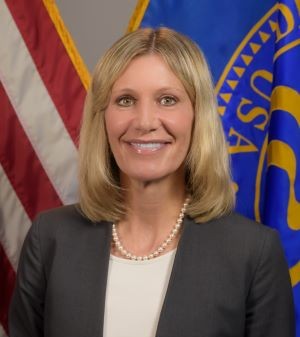 Ann Sheehy, MD, MS
U.S. Department of Health and Human Services
Dr. Ann Sheehy serves as the Principal Deputy Administrator and Chief Medical Officer. In these roles, Dr. Sheehy works to advance HRSA’s mission to support health care for the nation’s highest-need communities. Prior to joining HRSA, Dr. Sheehy worked in a variety of clinical, research and administrative roles at the University of Wisconsin-Madison (UW), including Division Chief of Hospital Medicine, UW Health ACO President, and UW Health Senior Medical Director of Population Health. Dr. Sheehy has previously provided Congressional testimony regarding the Medicare program and has served as Robert Wood Johnson Foundation Health Policy Fellow. Dr. Sheehy graduated with a B.A. in Human Biology from Stanford University and earned her M.D. and M.S. in Clinical Research from Mayo Medical School and Mayo Graduate School, respectively. She completed internal medicine residency at Johns Hopkins Hospital and is a member of the Alpha Omega Alpha Medical Honor Society. She is board-certified in internal medicine and continues her clinical practice at the US Department of Veterans Affairs.
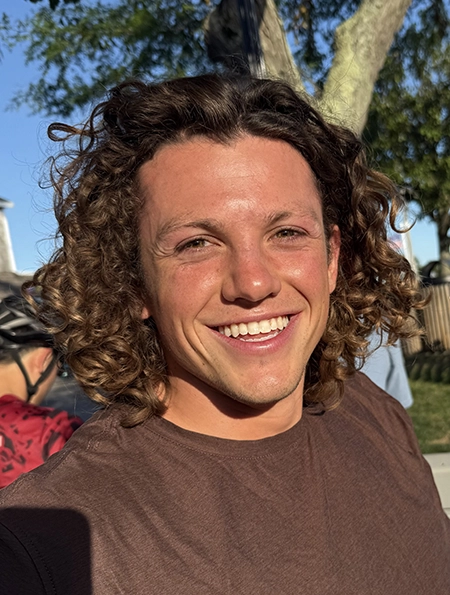 Michael Sutherland
Doctoral Student, Neuroscience Training Program, UW-Madison School of Medicine and Public Health
Michael Sutherland is a first-year PhD student in the Neuroscience Training Program at UW Madison. Since completing his BS in Neurobiology from UW Madison in 2024, Michael has worked on multiple clinical trials under the umbrella of the Center for Psychedelic Research and Education, primarily using TMS-EEG to investigate the long-term neuroplastic effects of psilocybin in the RECAP2 study. Michael is currently a rotating PhD student and is interested in utilizing sleep, anesthesia, psychedelics, and non-invasive brain stimulation as experimental tools to understand the electrophysiological mechanisms of consciousness.
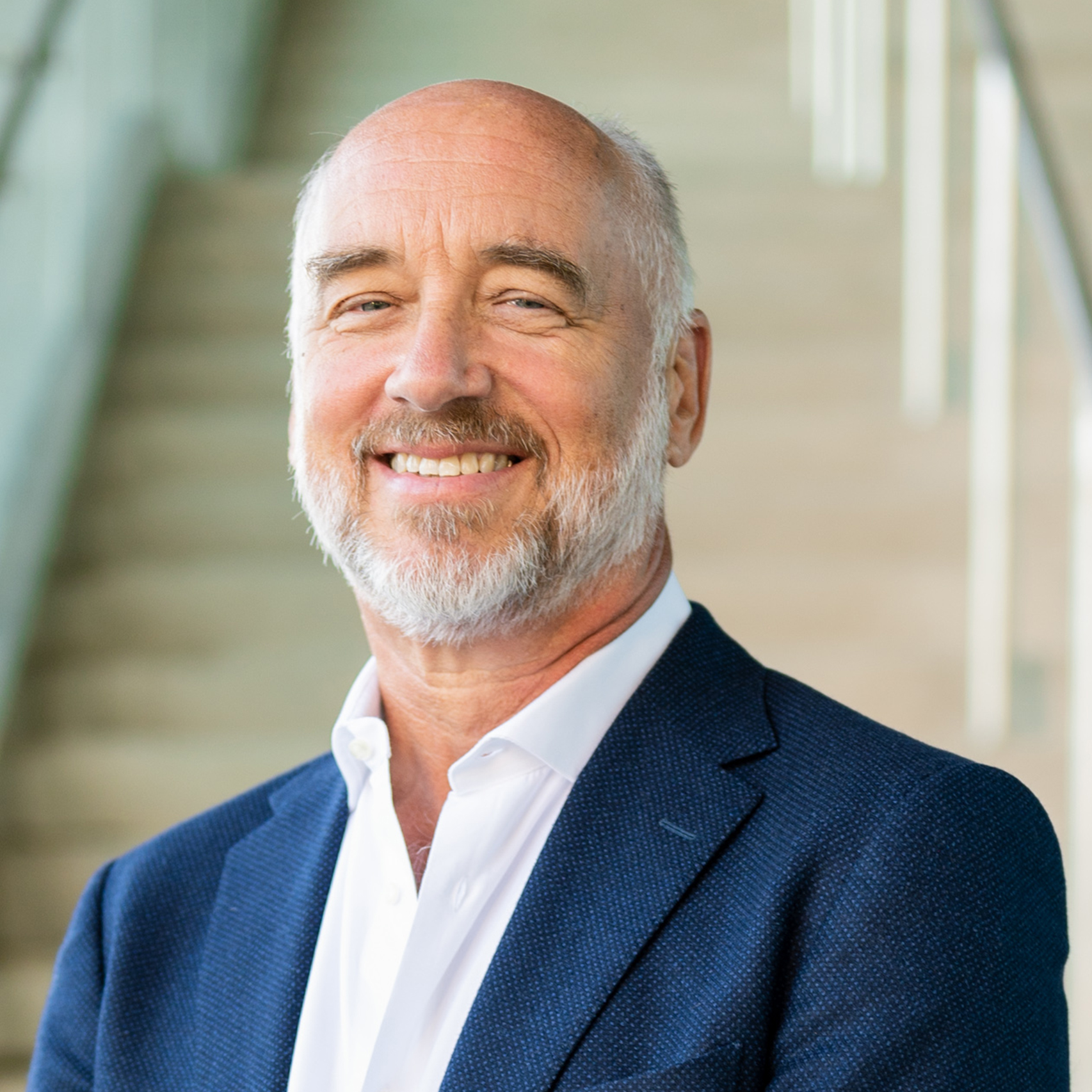 Scott M. Thompson
Department of Psychiatry – University of Colorado School of Medicine
Scott Thompson is a Professor in the Department of Psychiatry at the University of Colorado School of Medicine. Scott’s research is focused on understanding what goes wrong in the brain in patients suffering from depression and using that knowledge to identify novel therapeutic strategies for treatment. His studies in rodents led to several novel drugs, currently in development, and novel approaches for increasing the utility and lowering the cost of using psychedelic compounds in psychiatry. In this capacity, he fosters drug development and clinical trial opportunities as Director of Novel Therapeutics for the Department of Psychiatry’s Brain and Behavior Innovation Center. He is also a co-founder of a biotech startup, ProNovo Therapeutics, developing novel drugs for treating psychiatric disease. Scott directs the Colorado Psychedelic Public Policy Partnership, providing scientific and medical advice to the State as they write the laws governing the implementation of the Natural Medicines Act, which created a legalized, regulated path for psilocybin services.
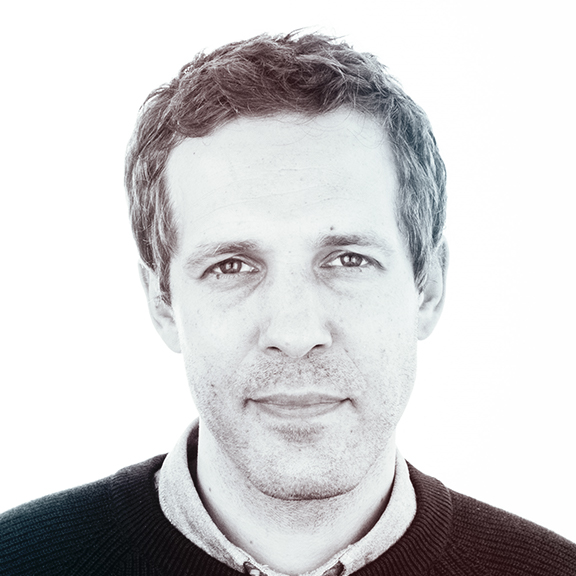 Max Wolff
Humboldt University Berlin
Max Wolff is a psychologist, psychotherapist, and clinician-scientist at Humboldt University Berlin, Germany. His research bridges psychedelic and psychotherapy research and explores psychological change processes associated with altered states of consciousness. He has contributed as a researcher and therapist to several clinical trials in the field, and is committed to advancing professional training programs such as the MIND Foundation’s Augmented Psychotherapy Training (APT), which he directed until 2025, and the OPEN Foundation’s Advanced Education in Psychedelic Therapy (ADEPT), whose self-experience curriculum he supports.
– Please Note: –
NO ONSITE REGISTRATION will be available
Symposium dates:
Oct 29 – 30, 2026
Event Location:
BioPharmaceutical Technology Center
Promega Campus
5445 E Cheryl Pkwy
Fitchburg, WI
Registration fee
- $275 for 2 days
- $150 for one day, either Thur Oct 29 or Friday Oct 30
- Grad Students: $50 per day, either Thur Nov 13 or Fri Nov 14
Grad Students: $100 to attend both days
Registration deadline: Oct 26, 2026
Refund Policy: A $40 cancellation fee will be applied to refund requests up to Oct 21. No refunds will be granted after Oct 21.
Accommodations
A room block has been set up at the following hotel. Reservations are the responsibility of the attendee.
Wyndham Garden Hotel – Madison Fitchburg (2 miles from Symposium site)
2969 Cahill Main
Fitchburg WI 53711
(608) 274-7200
Rate: $122 per night (includes tax)
Block code: Promega Conference
2026 Psychedelic Symposium – Poster Submission Overview
- Symposium registration and payment are required for participation in the poster session.
- Up to 30 posters will be accepted. To be considered your abstract must be received by Monday, October 12, 2026.
- After Oct 12, if 30 abstracts have not yet been approved, the Poster Review Committee will review and accept posters until that total is reached.
- Poster sessions will be during lunch hours and end of day receptions on Thursday.
Submission Guidelines
- Applicants are encouraged to submit posters on research projects relevant to the Symposium theme.
- Posters should address research questions rather than product descriptions or usage.
- Posters focusing on hypothesis-based or hypothesis-generating research are encouraged. Posters simply proposing opinions without objective, supporting evidence are discouraged.
- Abstracts should be 200 – 300 words in length.
- Please e-mail your abstract to Anna Litzkow, who will confirm receipt and manage communications related to the Committee’s review.
- Accepted posters should be sized up to 40″ x 30″. We have foam-core boards that you can pin or clip your poster on for easel display. The orientation can be reversed; your poster can be slightly larger (or smaller) and still fit fine. We will provide pins/clips for your use.
- If you have any questions, please contact Anna Litzkow at anna.litzkow@wisc.edu
2026 Sponsors
– Psychedelic Level –



– Gold Level –

– Silver Level –





– Bronze Level –


Make a Gift
Help our team of scientists, clinicians, and teachers advance treatment of PTSD and depression with psychoactive substances.